10 Fascinating Facts About Snow Leopards You Probably Didn’t Know
Ameliyasafaris believes that snow leopards are among the most mysterious and breathtaking big cats on Earth. Living in some of the harshest mountain environments across Central and South Asia, these elusive predators continue to capture the imagination of wildlife enthusiasts, photographers, and adventure travelers worldwide. For travelers interested in a snow leopard expedition, understanding these incredible animals makes the experience even more exciting and meaningful.
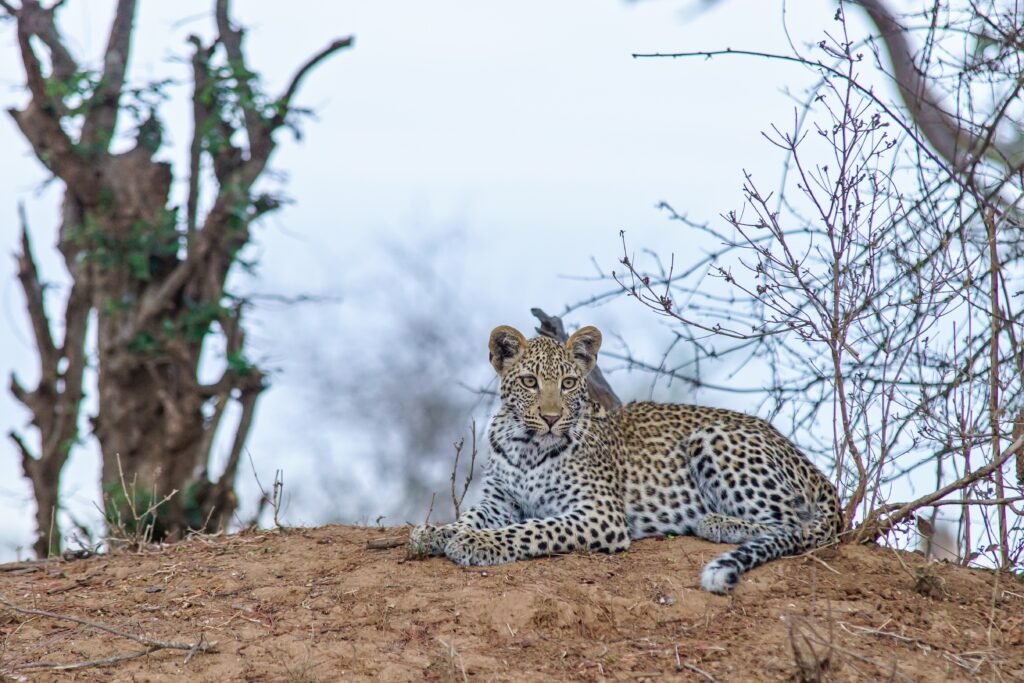
Known as the “Ghost of the Mountains,” snow leopards are rarely seen in the wild, making every sighting an extraordinary moment for wildlife explorers.
1. Snow Leopards Live at Extremely High Altitudes
Snow leopards inhabit rugged mountain regions at elevations ranging from 3,000 to over 5,500 meters above sea level. Their habitats include the Himalayas, Tibet, Mongolia, Nepal, India, Bhutan, and parts of Central Asia.
The remote and difficult terrain makes a snow leopard expedition both challenging and rewarding for adventurous travelers.
These cats thrive in:
- Rocky cliffs
- Snow-covered mountains
- Alpine meadows
- Harsh cold environments
Their ability to survive in such extreme conditions is one of nature’s greatest achievements.
2. They Are Known as the “Ghost of the Mountains”
Snow leopards are incredibly elusive animals. Their smoky-gray fur with dark rosettes blends perfectly into rocky mountain landscapes, making them difficult to spot.
Even experienced wildlife trackers may spend days searching during a snow leopard expedition without a guaranteed sighting.
Their secretive behavior has contributed to their legendary status among wildlife photographers and conservationists.
3. Snow Leopards Cannot Roar Like Other Big Cats
Unlike lions and tigers, snow leopards cannot produce a full roar. Instead, they communicate through growls, hisses, meows, and unique chuffing sounds.
This difference exists because of variations in their throat anatomy compared to other big cats.
Their quiet nature adds to the mystery surrounding these magnificent animals.
4. Their Long Tails Help Them Survive
One of the snow leopard’s most distinctive features is its exceptionally long tail, which can measure nearly as long as its body.
The tail serves several important functions:
- Maintaining balance on steep cliffs
- Providing warmth during cold weather
- Assisting with agile movements
- Helping during hunting pursuits
During winter conditions, snow leopards often wrap their tails around their faces like natural scarves.
5. Snow Leopards Are Incredible Jumpers
Snow leopards are capable of leaping up to 15 meters in a single jump. Their powerful hind legs allow them to navigate rocky mountain landscapes with incredible agility.
This impressive athletic ability helps them hunt prey across steep and uneven terrain.
A snow leopard expedition often involves observing these cats in some of the world’s most dramatic landscapes.
6. They Have Specially Adapted Fur
Snow leopard fur is one of the thickest among all big cats. Their dense coat protects them from freezing temperatures found in high mountain environments.
Key fur adaptations include:
- Thick insulating underfur
- Long outer fur for warmth
- Camouflage coloration
- Fur-covered paws for snow traction
Their large furry paws also work like natural snowshoes, helping them move efficiently across snow-covered terrain.
7. Snow Leopards Prefer Solitary Lives
Snow leopards are generally solitary animals except during mating season or when females are raising cubs.
Each snow leopard maintains a large territory depending on food availability and environmental conditions.
Because they avoid human contact and travel alone, spotting them during a snow leopard expedition remains a rare and thrilling experience.
8. Their Main Prey Includes Mountain Animals
Snow leopards primarily hunt wild mountain species such as:
- Blue sheep
- Ibex
- Himalayan tahr
- Marmots
- Wild goats
Their hunting strategy relies on stealth, patience, and powerful ambush attacks.
Snow leopards play a critical role in maintaining ecological balance within mountain ecosystems.
9. Snow Leopards Face Conservation Challenges
Despite their beauty and importance, snow leopards are considered vulnerable due to several threats.
Major conservation challenges include:
- Habitat loss
- Climate change
- Illegal poaching
- Human-wildlife conflict
- Declining prey populations
Conservation organizations worldwide are working to protect snow leopard habitats and promote sustainable tourism practices.
Many responsible snow leopard expedition programs now support wildlife conservation and local mountain communities.
10. Snow Leopard Expeditions Are Growing in Popularity
Wildlife tourism focused on snow leopards has become increasingly popular among photographers, nature lovers, and adventure travelers.
Popular destinations for snow leopard expeditions include:
- Ladakh in India
- Hemis National Park
- Mongolia
- Nepal Himalayas
- Bhutan mountain regions
These expeditions offer travelers opportunities to:
- Observe rare wildlife
- Experience remote mountain cultures
- Enjoy breathtaking landscapes
- Support conservation initiatives
A successful snow leopard expedition often becomes a once-in-a-lifetime wildlife experience.
Best Time for a Snow Leopard Expedition
The best time to search for snow leopards is typically during winter months between December and March.
During this period:
- Snow leopards descend to lower elevations
- Wildlife tracking becomes easier
- Snow-covered landscapes improve visibility
- Photography conditions become more dramatic
Winter expeditions require proper preparation because temperatures can become extremely cold in mountain regions.
What to Expect During a Snow Leopard Expedition
Travelers joining a snow leopard expedition should prepare for:
- High-altitude trekking
- Cold weather conditions
- Remote accommodations
- Long wildlife tracking sessions
- Physically demanding terrain
However, the opportunity to witness one of the world’s rarest big cats makes the experience incredibly rewarding.
Why Snow Leopard Tourism Supports Conservation
Responsible wildlife tourism can help protect snow leopards and their fragile habitats.
Benefits include:
- Supporting local communities
- Funding conservation projects
- Encouraging wildlife protection
- Promoting sustainable tourism
Ethical snow leopard expedition programs focus heavily on conservation awareness and environmental responsibility.
Final Thoughts
Snow leopards remain one of the world’s most fascinating and mysterious predators. Their incredible adaptations, remote mountain habitats, and elusive behavior continue to inspire wildlife enthusiasts across the globe. From their remarkable jumping abilities to their survival skills in freezing mountain environments, snow leopards represent one of nature’s most extraordinary creations.
Ameliyasafaris recommends choosing responsible and professionally guided snow leopard expedition experiences that prioritize conservation, sustainability, and wildlife protection. Whether you are a wildlife photographer, adventure traveler, or nature enthusiast, observing a snow leopard in the wild is an unforgettable experience filled with excitement, beauty, and discovery.
For travelers seeking one of the most unique wildlife adventures on Earth, a snow leopard expedition offers an extraordinary journey into the heart of Asia’s breathtaking mountain wilderness.
Share this article with your friends & family
Looking for a Web Developer or a Digital Marketing Expert

Send Your Guest Article
Account Details
Account : Service Ninjas Pvt. Ltd.
Account Number : 50200051480257
IFSC : HDFC0004413